

Hyderabad’s Most Respected Dental Chain

–  Book Your Appointment Today !

Now Accepting New Patients

–  Book Your Free Consultation Today!

Now Accepting New Patients

–  Book Your Free Consultation Today!

When Should You Visit a Dentist? Signs You Should Not Ignore
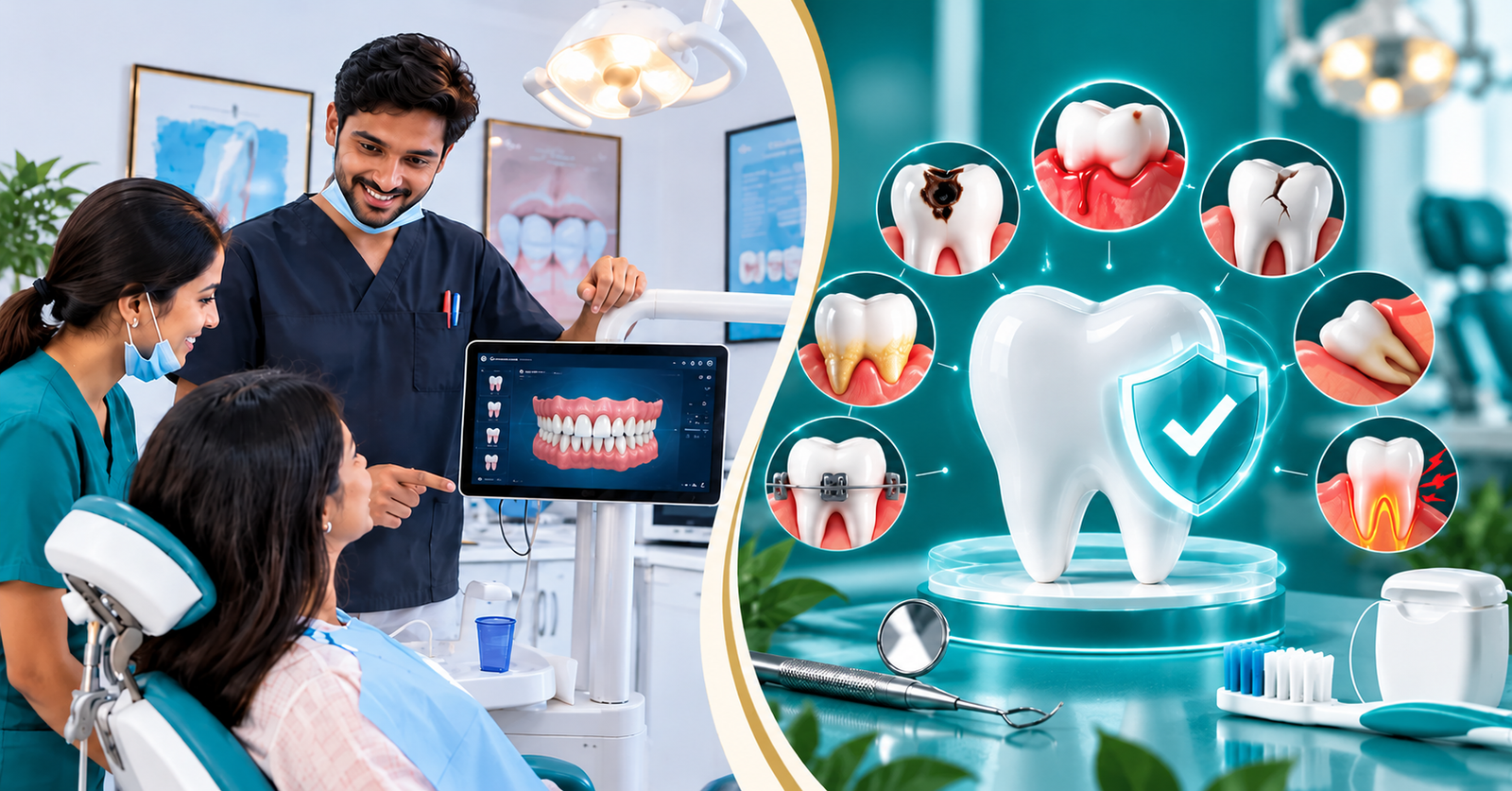
Dentist

Even without discomfort, maintaining good oral health requires regular care and attention. A Dentist can identify changes affecting your teeth, gums and bite and determine whether they need treatment or monitoring. Recognizing unusual symptoms early can help prevent minor concerns from developing into more complicated dental problems.

Why Is It Important to Notice Dental Symptoms?

Some dental problems develop gradually and may not cause noticeable discomfort at first. Changes in your teeth, gums or bite can provide useful warning signs that something needs professional attention. Routine dental visits can uncover oral health issues that might go unnoticed during regular brushing and flossing. Professional examinations can provide a clearer understanding of your oral health and help determine whether additional treatment is necessary.

What Dental Symptoms Should You Not Ignore?

Several changes may indicate that your mouth needs professional attention, including:

  • Persistent toothache
  • Increased tooth sensitivity
  • Bleeding or swollen gums
  • Changes in your bite
  • Chipped or cracked teeth
  • Difficulty chewing or biting
  • Loose permanent teeth
  • Persistent bad breath 

Understanding these warning signs can help you decide when professional evaluation may be appropriate.

Persistent Toothache
A toothache that continues for several days or keeps returning deserves attention. Persistent or recurring tooth pain may develop because of a cavity, tooth damage, infection or irritation in the tissues surrounding the affected tooth. Discomfort may become noticeable when you eat, drink something hot or cold, chew, or even when you are not using the tooth. The severity and exact location of the pain can vary depending on its cause. Instead of repeatedly managing the discomfort without identifying its source, professional evaluation can help determine the appropriate course of action.
Increased Tooth Sensitivity
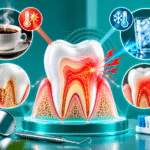
Mild tooth sensitivity may happen occasionally after consuming extremely hot, cold, sweet or acidic foods and drinks. However, sensitivity that becomes frequent or increasingly uncomfortable could point to a dental concern. Factors may include thinning enamel, exposed tooth surfaces, gum recession, or other dental changes. Because several conditions can produce similar symptoms, an examination may be necessary to identify the actual cause. If tooth sensitivity makes eating or drinking uncomfortable, seek advice from a dental professional.
Bleeding or Swollen Gums
Bleeding gums that occur frequently during brushing or flossing may indicate an underlying oral health concern. Redness, swelling, tenderness, or changes in the appearance of the gums can also indicate that they require attention. Improving daily Dental care can support healthier gums, but persistent symptoms should still be professionally assessed. Early attention may help prevent gum related concerns from becoming more difficult to manage. Notice repeated symptoms early instead of allowing the discomfort to worsen.
Changes in Your Bite
A noticeable change in the way your upper and lower teeth meet can affect chewing comfort and may indicate changes in tooth position. An Orthodontist specializes in assessing tooth alignment and bite relationships. If crowding, spacing, or tooth movement is affecting your bite, an Orthodontist can determine whether an orthodontic evaluation may be appropriate. Not every bite concern requires orthodontic treatment, so an individual assessment is important before choosing a treatment approach.
Chipped, Cracked, or Damaged Teeth
Teeth can become damaged because of accidents, injuries, hard foods, or other causes. Even when a chipped or cracked tooth does not cause pain, having it examined can help determine its condition. The affected area and extent of the damage can influence which treatment may be suitable. Leaving certain cracks or damage untreated may allow the problem to become more serious. If the main concern is the appearance of a damaged or uneven tooth, Cosmetic dentistry may provide suitable options after the tooth has been evaluated for overall health.
Missing Teeth
Missing a permanent tooth may impact your smile, make chewing or speaking difficult, and cause nearby teeth to shift. A Prosthodontist focuses on repairing damaged teeth and replacing missing ones to restore oral function and appearance. A consultation can help determine which restorative approach may be appropriate based on the condition of your mouth. Treatment planning may consider function, comfort, appearance, bite and the health of surrounding teeth.
Difficulty Chewing or Biting
Difficulty chewing or discomfort while biting can indicate that something has changed inside the mouth. Discomfort in one particular tooth when biting or applying pressure may also be a sign of a dental problem. Chewing problems may arise from damaged teeth, gum disease, changes in bite alignment, or gaps caused by missing teeth. A dental evaluation can help determine what may be causing the discomfort. Maintaining consistent Dental care is also important because regular examinations can identify concerns before they begin interfering with everyday activities.
Loose Permanent Teeth
Adult teeth becoming loose usually indicates an underlying dental issue that needs attention. A tooth that feels loose may be linked to an injury or problems involving the surrounding supporting tissues. If you notice movement in a permanent tooth, avoid repeatedly touching or testing it. Professional assessment can help determine what is causing the mobility and what treatment may be needed.
Persistent Bad Breath
Bad breath can sometimes result from food, dehydration, or inadequate oral hygiene. However, an unpleasant odor that continues despite regular brushing, flossing, and tongue cleaning may require further evaluation. Maintaining good oral hygiene can help reduce factors that commonly contribute to bad breath. If the problem continues despite good hygiene, a dental examination can help determine whether an underlying oral concern is contributing to it.

Concerns About Your Smile

Consider consulting a dental professional if you wish to improve the look of your teeth. Common concerns can include:

  • Tooth discoloration
  • Uneven or worn teeth
  • Gaps between teeth
  • Chipped teeth
  • Changes in tooth shape

Cosmetic dentistry focuses on improving the appearance of teeth and smiles through treatments selected according to individual needs.

Before aesthetic treatment, the condition of the teeth and gums should be assessed. Existing dental concerns may need to be addressed before cosmetic procedures are considered.

When Should You See an Orthodontist?

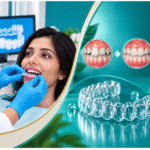
Crooked, crowded or widely spaced teeth may sometimes benefit from an orthodontic assessment. Changes in the bite can also be a reason to seek professional guidance. An Orthodontist may be appropriate when you notice:
  • Crowded teeth
  • Crooked teeth
  • Gaps between teeth
  • Changes in your bite
  • Difficulty cleaning between certain teeth
An Orthodontist can examine the relationship between the teeth and jaws and determine whether alignment treatment may be suitable.

When Is a Prosthodontist Consultation Useful?

A Prosthodontist may be appropriate when you have:

  • Missing teeth
  • Significantly damaged teeth
  • Difficulty with chewing Complex restorative needs
  • Concerns involving tooth replacement

A Prosthodontist can consider the condition of the remaining teeth, bite, supporting structures and overall oral function when developing a restorative plan.

When Can Cosmetic Dentistry Be Considered?

If your teeth are healthy but you have concerns about their appearance, Cosmetic dentistry may offer suitable treatment options.Aesthetic procedures can address selected concerns depending on the condition of the teeth and gums. An assessment should come first so that underlying dental problems are not overlooked.The most suitable approach depends on the individual’s oral health, expectations and treatment requirements.

How Regular Dental Care Helps

Good Dental Care involves more than brushing your teeth every day. It can include flossing, professional examinations, maintaining healthy habits and paying attention to changes in your mouth. Routine appointments can help identify concerns earlier and give you an opportunity to discuss symptoms before they become more complicated.

Even when your teeth feel comfortable, maintaining consistent oral hygiene remains important for protecting your teeth and gums.

Why Choose Dantam Dental Clinics in chintal When You Notice Signs of Dental Problems?

Choosing Dantam Dental Care for your dental concerns provides a personalized approach based on your symptoms, oral health condition, and treatment needs. Whether you experience tooth pain, bleeding gums, sensitivity, bad breath, or swelling, a dental evaluation can help identify the possible cause and determine the appropriate next steps. Instead of ignoring discomfort or relying on temporary solutions, visiting a dentist can help detect dental problems early and prevent certain conditions from becoming more complicated. The dental team focuses on understanding your concerns, explaining available treatment options, and helping you make informed decisions about your oral health. At Dantam Dental Care, patients can access a range of dental services, from routine checkups and professional teeth cleaning to root canal treatment and gum care. If you notice persistent dental symptoms or changes in your oral health, scheduling a dental consultation can help you understand the issue and receive suitable care.

Frequently Asked Questions

When should I visit a Dentist?

Consider arranging an appointment if you experience persistent tooth pain, bleeding gums, increased sensitivity, loose teeth or changes in chewing. Severe pain, facial swelling or a dental injury may require urgent assessment.

An assessment may be useful if you notice crowded teeth, gaps, crooked tooth positions or changes in the way your teeth meet.

Yes. Depending on your oral health and goals, treatments may be available to address discoloration, chips, uneven edges or other appearance related concerns.

A specialist in restorative dental treatment can assess the available options, which may include implants, bridges or dentures depending on your circumstances.

Regular examinations can help identify early signs of tooth decay, gum problems, and other changes. They also provide guidance on suitable hygiene practices and preventive measures.

Choosing the Right Dental Clinic for Regular Appointments