

Tooth Sensitivity to Hot and Cold: Causes and Treatment
Dantam Clinics
October 24, 2026
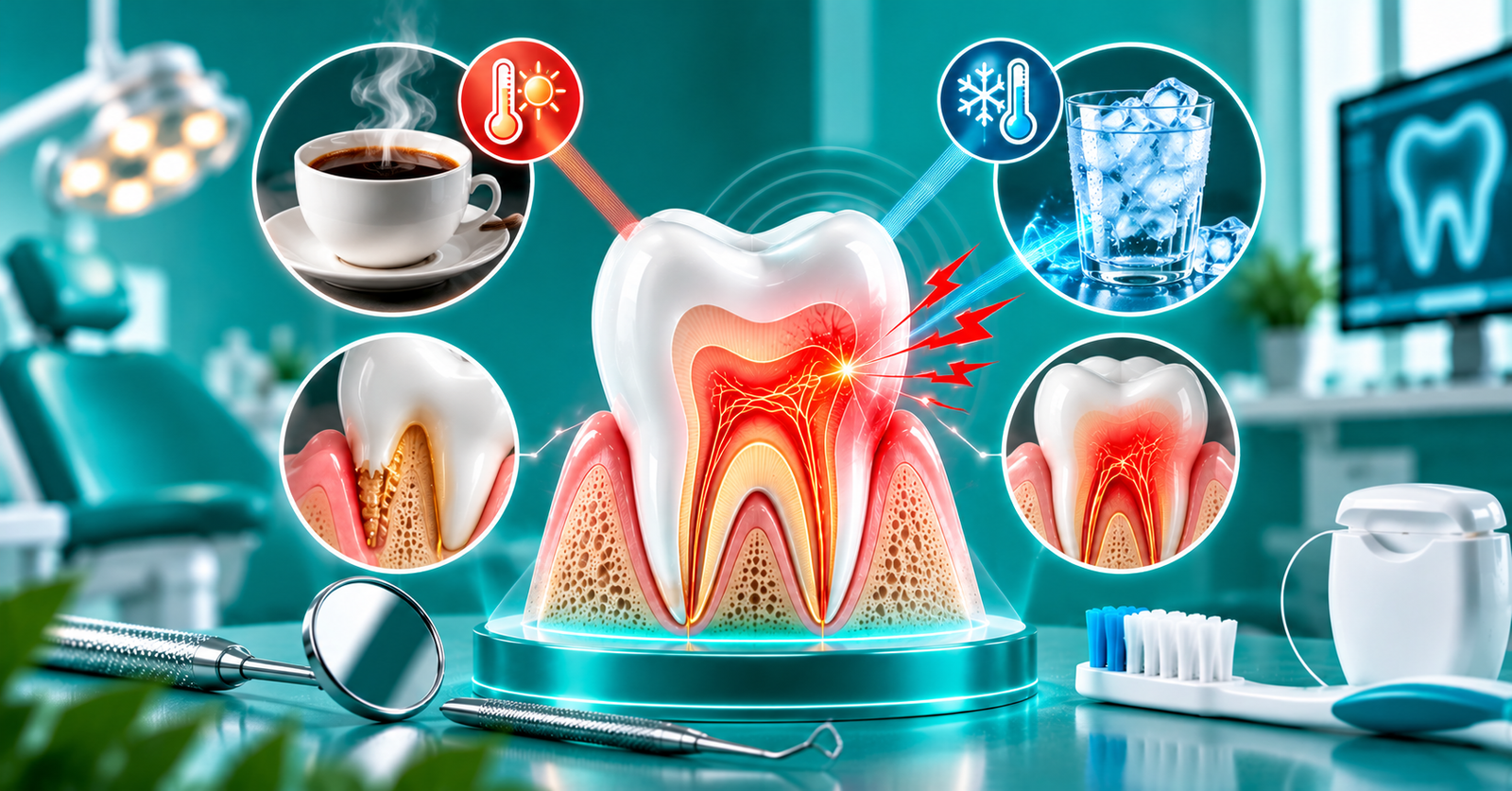
Feeling discomfort when drinking hot tea, eating ice cream or enjoying cold water can make everyday meals unpleasant. Tooth Sensitivity may occur when the protective layers of a tooth become worn or the gums recede, exposing the more sensitive tissue underneath. Understanding what triggers the discomfort can help you identify when home care may be sufficient and when professional attention is needed.
What Causes Sensitivity to Hot and Cold?
Healthy teeth have a protective outer layer called enamel. Beneath it lies dentin, which contains tiny channels connected to the inner part of the tooth. When dentin becomes exposed, temperature changes and certain foods can trigger a sharp or brief painful sensation.
Common causes include:
- Enamel wear: Brushing too forcefully or frequent exposure to acidic foods and drinks can weaken the protective surface.
- Gum recession: When gums move away from the teeth, the root surfaces may become exposed.
- Tooth decay: Cavities can affect the protective structure of a tooth and lead to discomfort.
- Cracked teeth: Small cracks may allow temperature changes to irritate the inner tissues.
- Damaged fillings: Worn or loose restorations may expose sensitive areas.
- Recent dental procedures: Some treatments can cause temporary discomfort.
The right treatment depends on the underlying cause, so recurring symptoms should not be ignored.
Why Is a Molar Sensitive to Cold?
A Molar sensitive to cold may react when you drink chilled water, eat ice cream or breathe in cold air. Molars have grooves and chewing surfaces that can be difficult to clean thoroughly, making it important to check for decay or damage when symptoms appear.
Possible reasons include:
- A cavity affecting the chewing surface
- Enamel wear or an exposed root
- A cracked tooth or damaged filling
- Gum recession near the affected molar
Notice whether the discomfort disappears quickly or continues after the cold stimulus is removed. If you have a Molar sensitive to cold, pain that lingers, becomes stronger or occurs when biting may require prompt dental assessment.
If only one tooth reacts differently from the others, arrange an examination rather than assuming the problem is ordinary sensitivity.
What Are the Signs of Sore Sensitive Teeth?
People with sore sensitive teeth may experience different types of discomfort depending on the condition affecting their mouth.
Common signs include:
- A brief, sharp sensation after consuming hot or cold foods
- Discomfort while eating sweet or acidic items
- Pain during brushing or flossing
- Sensitivity when pressure is applied to a tooth
- Tenderness around the gumline
Occasional sensitivity can have a relatively simple cause, but sore sensitive teeth may also be associated with decay, cracks or gum problems when the discomfort persists.
Pay attention to how often the symptoms occur and whether sore sensitive teeth are becoming more uncomfortable. Persistent pain, swelling or sensitivity to biting pressure should be evaluated by a dental professional.
How Does Cold Teeth Sensitivity Develop?
Cold teeth sensitivity can occur when changes in enamel or gum tissue expose dentin. The tiny channels within dentin allow temperature changes to stimulate the nerve containing tissues inside the tooth, producing discomfort.
Certain habits may increase the likelihood of this problem:
- Brushing with excessive pressure
- Using a hard bristled toothbrush
- Frequently consuming acidic drinks
- Grinding or clenching your teeth
- Using whitening products without appropriate guidance
These factors do not affect everyone in the same way. If you experience cold teeth sensitivity, a dental examination can help distinguish ordinary sensitivity from problems that need specific treatment.
What Is Dental Sensitivity and When Should You Be Concerned?
Dental sensitivity describes discomfort triggered by temperature, touch or certain foods and drinks. It may affect one tooth or several teeth and the sensation can range from mild discomfort to sharp pain. Short lived dental sensitivity may improve when the trigger is removed. However, sensitivity that persists, worsens or occurs alongside other symptoms should be assessed by a dental professional as part of appropriate dental care.
Short lived dental sensitivity may improve when the trigger is removed. However, sensitivity that persists, worsens or occurs alongside other symptoms should be assessed by a dental professional.
Arrange a dental appointment if you notice:
- Pain that continues after eating or drinking
- Sensitivity concentrated in one tooth
- Discomfort when biting down
- Swelling, bleeding or changes around the gums
- Symptoms that do not improve with appropriate home care
Sudden swelling of the face or neck, especially when accompanied by dental sensitivity, difficulty breathing or swallowing, requires emergency medical attention.
How Can Tooth Sensitivity Be Treated?
Treatment depends on the cause and the condition of the affected teeth. A dental professional may examine the teeth and gums, recommend further tests if necessary.
Possible approaches include:
- Desensitizing toothpaste: May help reduce discomfort when used consistently as directed.
- Fluoride applications: Can help strengthen tooth surfaces and reduce sensitivity in suitable cases.
- Dental bonding or fillings: May protect exposed areas or repair damage.
- Gum treatment: May be necessary when gum disease contributes to the problem.
- Restorative procedures: Crowns or other treatments may be recommended for certain damaged teeth.
- Root canal treatment: May be considered when the inner tissue of a tooth is irreversibly damaged or inflamed.
Not every patient needs the same procedure. Identifying the cause first helps determine which treatment is appropriate.
Simple Ways to Reduce Discomfort at Home
A few daily habits may help reduce irritation and protect your teeth while you arrange an examination if needed.
- Use a soft bristled toothbrush.
- Brush gently with fluoride toothpaste.
- Clean between your teeth every day.
- Limit frequent exposure to acidic drinks and sugary snacks.
- Avoid extremely hot or cold foods if they trigger discomfort.
- Follow the instructions on desensitizing products.
- Avoid brushing immediately after consuming acidic foods or drinks; allow time for the tooth surface to recover.
If symptoms continue despite these changes, seek professional advice rather than relying on home care alone.
Why Choose Dantam Dental clinic in Chintal for Tooth Sensitivity Treatment?
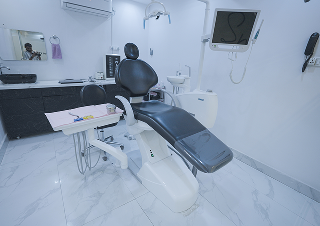
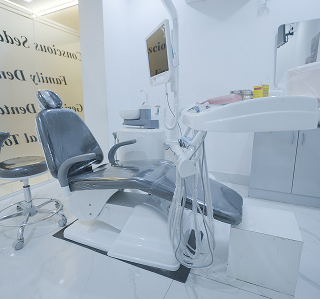
Choosing the right dental clinic is important when you experience tooth sensitivity to hot and cold foods or drinks. At Dantam Dental clinic in Chintal our dental team evaluates the possible causes of sensitivity, such as enamel wear, gum recession, tooth decay or exposed dentin, before recommending suitable treatment. Depending on your dental condition, treatment may include desensitizing products, fluoride applications, dental fillings or other appropriate procedures. We focus on identifying the underlying cause and creating a personalized dental care plan to help relieve discomfort and protect your teeth. With careful evaluation, modern dental techniques and regular follow up when needed, we aim to make your dental care experience comfortable and reassuring. If you experience persistent or worsening sensitivity, visiting Dantam Dental in Chintal can help you understand the cause and explore suitable treatment options.
How Can You Help Prevent Future Sensitivity?
Prevention focuses on protecting enamel, keeping gums healthy and identifying dental problems early.
Choose a gentle brushing technique, avoid excessive pressure and maintain regular oral hygiene. If you grind your teeth, ask a dental professional whether a protective mouthguard may be appropriate.
Avoid using whitening products excessively, especially if your teeth already react to temperature changes. Routine dental examinations can help identify early signs of decay, gum recession or damaged restorations before they become more troublesome.
Frequently Asked Questions
Can sensitive teeth return to normal?
In some cases, symptoms improve with appropriate toothpaste or professional treatment. The outcome depends on the underlying cause and decay or structural damage may require additional care.
Why does one tooth hurt when I drink cold water?
A single tooth may react because of decay, a crack, a damaged filling or exposed dentin. An examination can help identify the cause.
Does sensitive toothpaste work immediately?
Some products need repeated use before their full benefit becomes noticeable. Follow the product instructions and consult a dental professional if symptoms persist.
Should I avoid hot and cold foods completely?
You may temporarily limit items that trigger discomfort, but avoiding them does not treat the underlying cause. Persistent symptoms should be assessed.
When should I seek dental treatment?
Arrange an appointment if discomfort persists, worsens, affects one tooth or occurs alongside swelling or pain when biting. Seek urgent care for significant swelling or signs of spreading infection.
Choosing the Right Dental Clinic for Regular Appointments
SUBSCRIBE
SUBSCRIBE TO OUR NEWSLETTER
Tooth Sensitivity to Hot and Cold: Causes and Treatment
When Should You Visit a Dentist? Signs You Should Not Ignore