

Toothache: Common Causes, Warning Signs and Treatment Options
Dantam Clinics
October 30, 2026
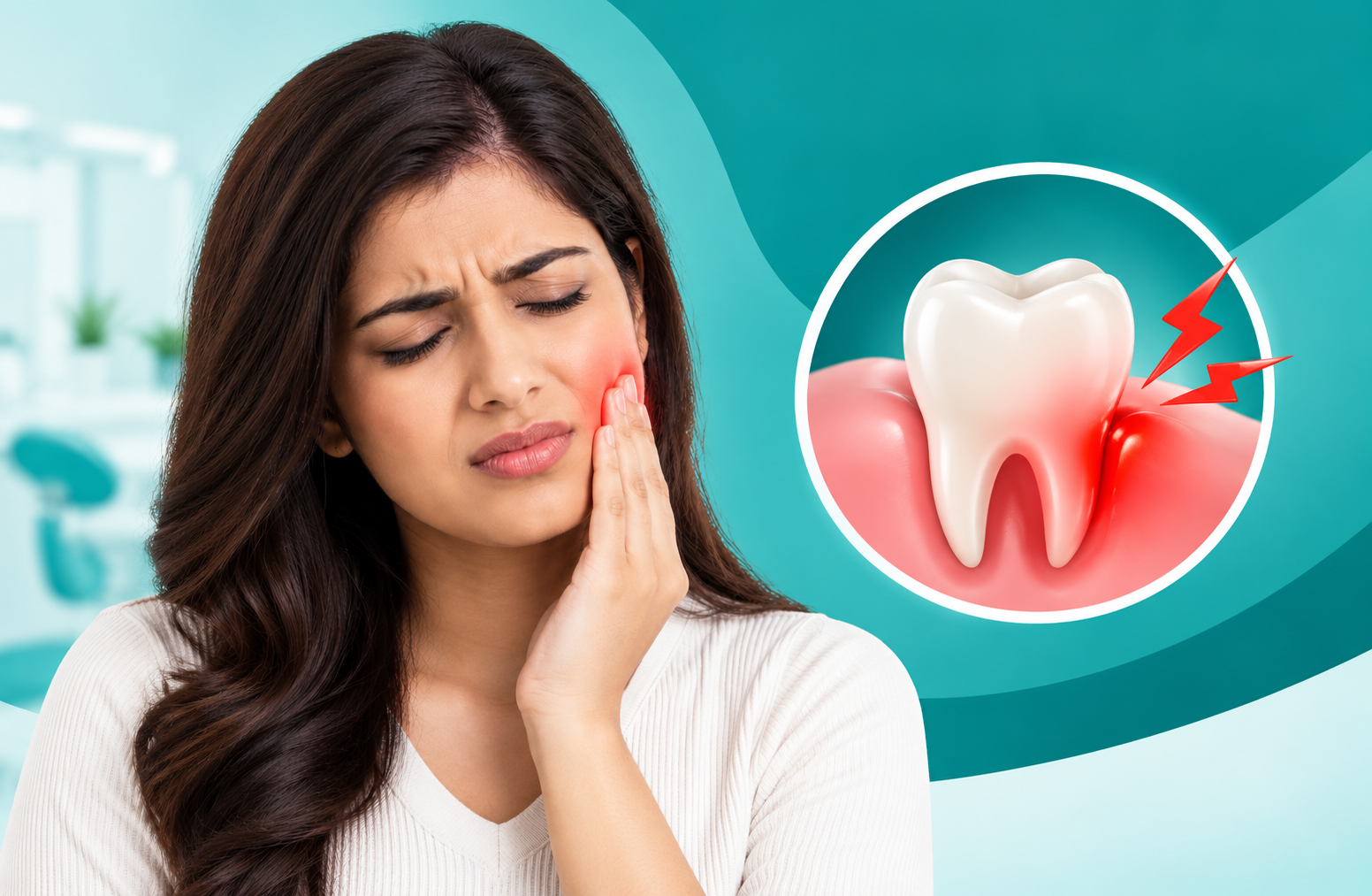
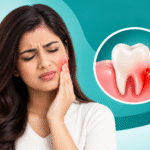
Dental pain can interfere with eating, sleeping, speaking and everyday activities. Toothache may develop because of tooth decay, damaged enamel, gum problems or irritation inside a tooth. Understanding the possible causes and recognizing warning signs can help you seek appropriate care before the problem becomes more complicated.
What Are the Common Causes of Dental Pain?
- Tooth decay: Bacteria and acids can damage the tooth structure, eventually affecting deeper layers.
- Cracked or damaged teeth: A crack may cause discomfort while biting or chewing.
- Gum problems: Problems affecting the gums may lead to redness, soreness or swelling around the teeth, particularly when inflammation or infection develops.
- Dental abscess: An infection can produce persistent pain, swelling, and sensitivity.
- Worn fillings: A damaged or loose filling may expose sensitive parts of the tooth.
- Wisdom teeth: When a wisdom tooth emerges only partially, food and bacteria can collect around the exposed area, potentially leading to gum irritation, discomfort, and swelling.
- Teeth grinding: Repeated pressure on the teeth can contribute to discomfort or damage.
Could Cavity Pain Be a Sign of Tooth Decay?
Cavity pain can begin when decay reaches the sensitive inner layers of a tooth. Early decay may not cause noticeable discomfort, so the absence of pain does not necessarily mean the tooth is healthy.
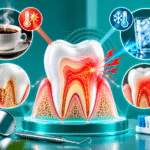
As Cavity pain develops, you may notice sensitivity to cold drinks, hot foods, sweets, or pressure while chewing. The discomfort may initially disappear quickly but can become more persistent as the affected area worsens.
A dental professional can examine the tooth and determine the extent of the decay. Depending on the findings, treatment may involve a filling or another restorative procedure.
Ignoring cavity pain can allow the damage to progress and may increase the complexity of treatment. If the discomfort keeps returning, arrange an examination rather than relying on temporary relief.
What Does Severe Toothache Feel Like?
- Sensitivity to hot or cold foods and drinks
- Pain when chewing
- Tenderness around the affected tooth
- Swelling in the gums or cheek
- An unpleasant taste in the mouth
- Fever or feeling generally unwell
Why Does Molar Tooth Pain Occur?
Molars are the broad, flat teeth positioned at the rear of the mouth, where they help break down food during chewing. They help grind food during chewing and their grooves can make them more difficult to clean thoroughly.
Molar tooth pain may develop because of decay, a cracked tooth, gum inflammation or pressure associated with a wisdom tooth. Debris lodged near the rear teeth can irritate the surrounding gums and cause localized discomfort. However, recurring or prolonged pain may point to an underlying dental issue that requires professional evaluation.
Molar tooth pain can be assessed by paying attention to when the discomfort occurs. Pain while biting, sensitivity to temperature or soreness near the back of the jaw may help a dental professional narrow down the possible causes.
If molar tooth pain continues or becomes worse, arrange a dental examination. Avoid chewing hard foods on the affected side until the problem has been assessed.
What Toothache Treatments May Be Recommended?
- Dental fillings: Used to restore a tooth affected by suitable cases of decay.
- Root canal treatment: May be recommended when the tissue inside a tooth is irreversibly inflamed or infected and the tooth can be preserved.
- Dental crowns: May help restore a tooth that has extensive structural damage.
- Gum care: A dentist may recommend professional cleaning or other periodontal procedures to address gum disease, depending on the severity of the inflammation or infection.
- Tooth extraction: May be considered when a tooth cannot be restored or removal is otherwise indicated.
How Can You Manage Discomfort Before an Appointment?
If professional treatment is not immediately available, a few cautious measures may help you manage discomfort temporarily.
- Rinse your mouth gently with warm salt water.
- Carefully clean between the teeth to remove trapped food. Eat soft foods and chew on the opposite side.
- Avoid foods and drinks that trigger sensitivity.
- Consider an appropriate over the counter pain reliever, following the label and checking with a pharmacist or clinician if you are unsure whether it is safe for you.
Do not place aspirin directly against a tooth or gum, as it can injure the tissue. Avoid applying concentrated oils or household substances to the affected area.
These measures are temporary. They should not replace professional assessment when the pain persists or worsens.
When Should You Seek Urgent Dental Care?
How Can You Reduce the Risk of Future Dental Problems?
- Brush twice daily with fluoride toothpaste.
- Clean between your teeth every day.
- Limit frequent consumption of sugary foods and drinks.
- Avoid chewing hard objects that may damage teeth.
- Attend dental examinations at recommended intervals.
- Seek advice when sensitivity, discomfort or visible damage develops.
Frequently Asked Questions
Can dental pain disappear without treatment?
Mild discomfort may settle temporarily, but the underlying cause can remain. If the pain persists, returns or worsens, arrange a dental examination.
Does pain when biting mean a tooth is cracked?
Not always. Decay, a damaged filling, inflammation or other conditions can also cause pain during chewing. A dental examination can help identify the cause.
Can I take painkillers instead of visiting a dentist?
Is swelling around a painful tooth serious?
How can I protect my teeth from decay?
Choosing the Right Dental Clinic for Regular Appointments
SUBSCRIBE
SUBSCRIBE TO OUR NEWSLETTER
Toothache: Common Causes, Warning Signs and Treatment Options
Tooth Sensitivity to Hot and Cold: Causes and Treatment