

Why Do Your Teeth Hurt? Understanding Toothache Causes
Dantam Clinics
September 5, 2026
Experiencing Toothache can make eating, speaking, and even sleeping uncomfortable. Tooth pain may range from mild sensitivity to persistent discomfort and can develop because of cavities, gum problems, cracked teeth, infection, or other dental conditions. Understanding the cause of toothache is important because different causes require different approaches to care. If the pain continues, a dental examination can help identify the underlying problem and determine suitable toothache treatments.
Toothache Due to Cavity
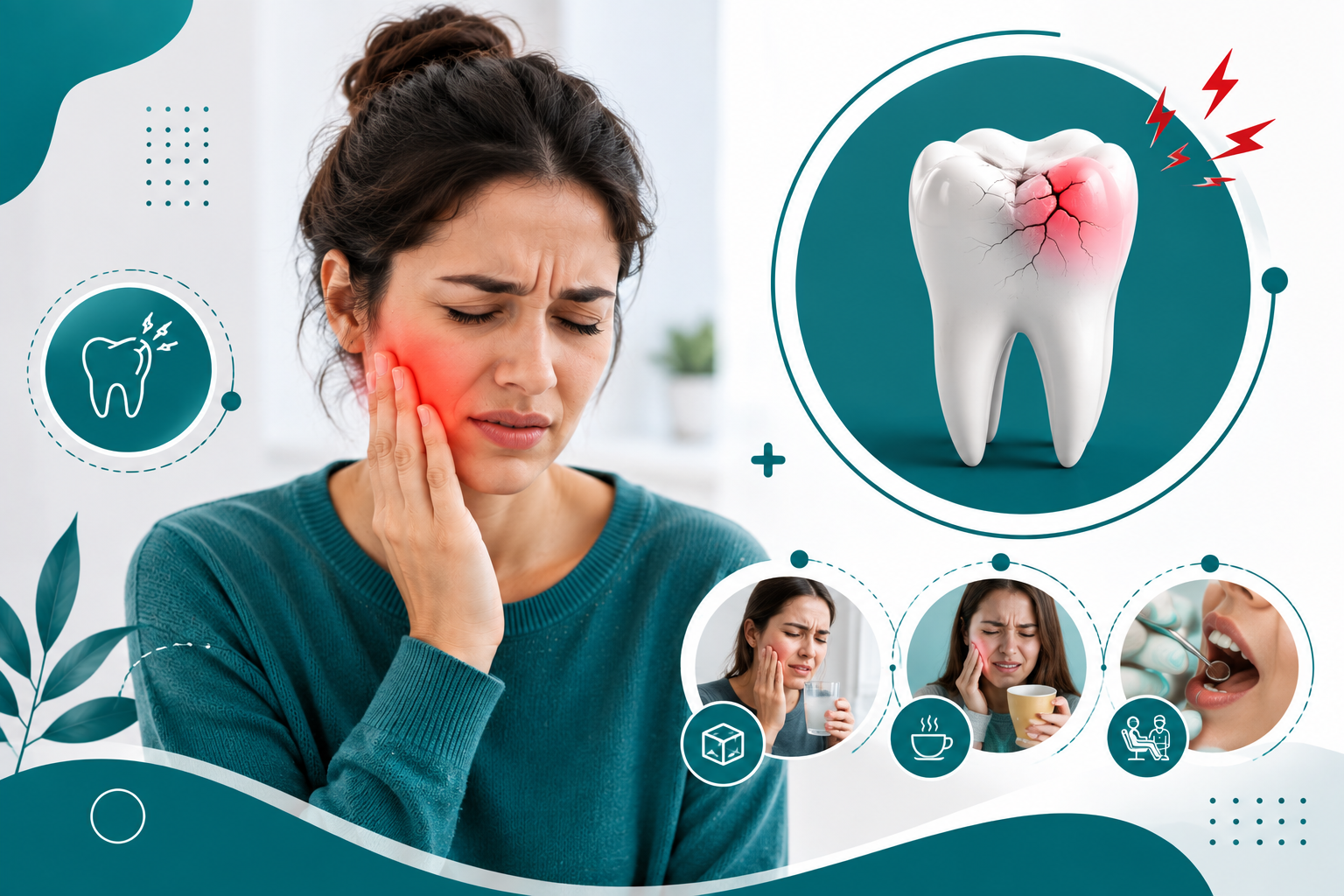
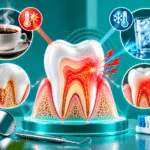
One of the most common reasons for dental pain is decay. Toothache due to cavity can begin as sensitivity to hot, cold, or sweet foods and may gradually become more persistent as decay progresses.
When a cavity becomes deeper, it can reach the inner part of the tooth where nerves are located. This may cause stronger pain and sensitivity. Early detection allows the dentist to determine whether a filling or another treatment is appropriate.
Toothache: Causes vs Symptoms
What Causes Molar Teeth Pain?
Molar teeth pain can be particularly uncomfortable because molars are responsible for chewing and contain larger structures that can be affected by decay or other dental problems.
Possible causes include:
- Deep cavities
- Cracked molars
- Gum infection
- Dental abscess
- Wisdom tooth problems
- Tooth grinding
- Food trapped between teeth
Persistent molar teeth pain should be evaluated by a dentist, especially when it is accompanied by swelling, fever, sensitivity, or difficulty chewing.
Common Symptoms That Accompany Toothache
Tooth pain may appear along with other symptoms depending on its underlying cause.
You may experience:
- Sharp or throbbing pain
- Sensitivity to hot or cold foods
- Pain while chewing
- Swelling around the tooth
- Red or tender gums
- Persistent bad breath
- Headache or jaw discomfort
- Difficulty sleeping
These symptoms can help your dentist understand the possible cause of toothache and decide what examination or treatment may be needed.
When Should You Get Dental Treatment?
Occasional mild sensitivity may not always indicate a serious problem, but persistent or worsening pain should not be ignored. You should consider scheduling a dental examination if the pain lasts for more than a short period or keeps returning.
Seek professional attention if you experience:
- Severe or persistent pain
- Facial or gum swelling
- Fever
- Pain while biting
- Broken or cracked teeth
- Persistent sensitivity
- Difficulty opening your mouth
- Pain that interferes with sleep
Early diagnosis can make toothache treatments simpler and may help prevent further damage.
Toothache Treatments
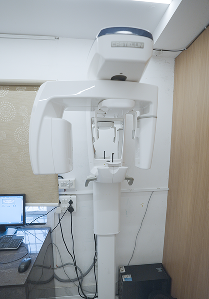
The appropriate toothache treatments depend on the underlying dental condition. Your dentist may first examine the affected tooth and use dental X-rays or other diagnostic methods when required.
Possible treatment options may include:
Dental Fillings
If tooth decay has damaged part of the tooth, a filling may be recommended to restore the affected area.
Root Canal Treatment
When decay or infection reaches the inner pulp of the tooth, root canal treatment may be required to remove the infected tissue and preserve the natural tooth.
Dental Crowns
A crown may be recommended when a tooth has significant structural damage or requires additional protection after treatment.
Tooth Extraction
In cases where a tooth cannot be successfully restored, extraction may be considered based on the dentist’s evaluation.
Professional Cleaning
If discomfort is related to plaque, tartar, or gum conditions, professional cleaning and improved oral hygiene may help address the problem.
The right toothache treatments should always be selected after evaluating the specific cause of the pain.
How to Manage Tooth Pain Until Your Appointment
While waiting for a dental appointment, certain basic measures may help reduce discomfort temporarily:
- Rinse your mouth gently with warm water.
- Keep the affected area clean.
- Brush carefully around the painful tooth.
- Avoid extremely hot, cold, or sugary foods if they trigger pain.
- Avoid chewing on the affected side.
- Follow medication instructions provided by a dental professional.
These measures do not replace professional treatment. If the underlying problem is not addressed, the pain may return or become worse.
Understanding Molar Tooth Problems
Preventing Toothache
Can a Cavity Cause Continuous Pain?
Frequently Asked Questions
What is the most common cause of toothache?
Tooth decay is one of the common reasons for tooth pain, although gum problems, cracks, infections, and other dental conditions can also cause discomfort.
Can toothache go away on its own?
Some temporary discomfort may improve, but persistent pain can indicate an underlying dental condition that requires professional evaluation.
Why does my molar hurt when I chew?
Molar teeth pain while chewing may be associated with decay, a cracked tooth, infection, or other dental problems. A dental examination can help determine the cause.
How is cavity related tooth pain treated?
Treatment depends on the severity of the decay. Toothache due to cavity may require a filling, root canal treatment, crown, or another appropriate procedure.
When should I seek treatment for tooth pain?
You should seek professional care when pain is persistent, severe, recurring, or accompanied by swelling, fever, sensitivity or difficulty chewing.
SUBSCRIBE
SUBSCRIBE TO OUR NEWSLETTER
Tooth Sensitivity to Hot and Cold: Causes and Treatment

When Should You Visit a Dentist? Signs You Should Not Ignore