

Gum Surgery: Modern Treatments for Healthier Gums and Better Oral Health
Dantam Clinics
September 23, 2026
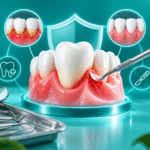
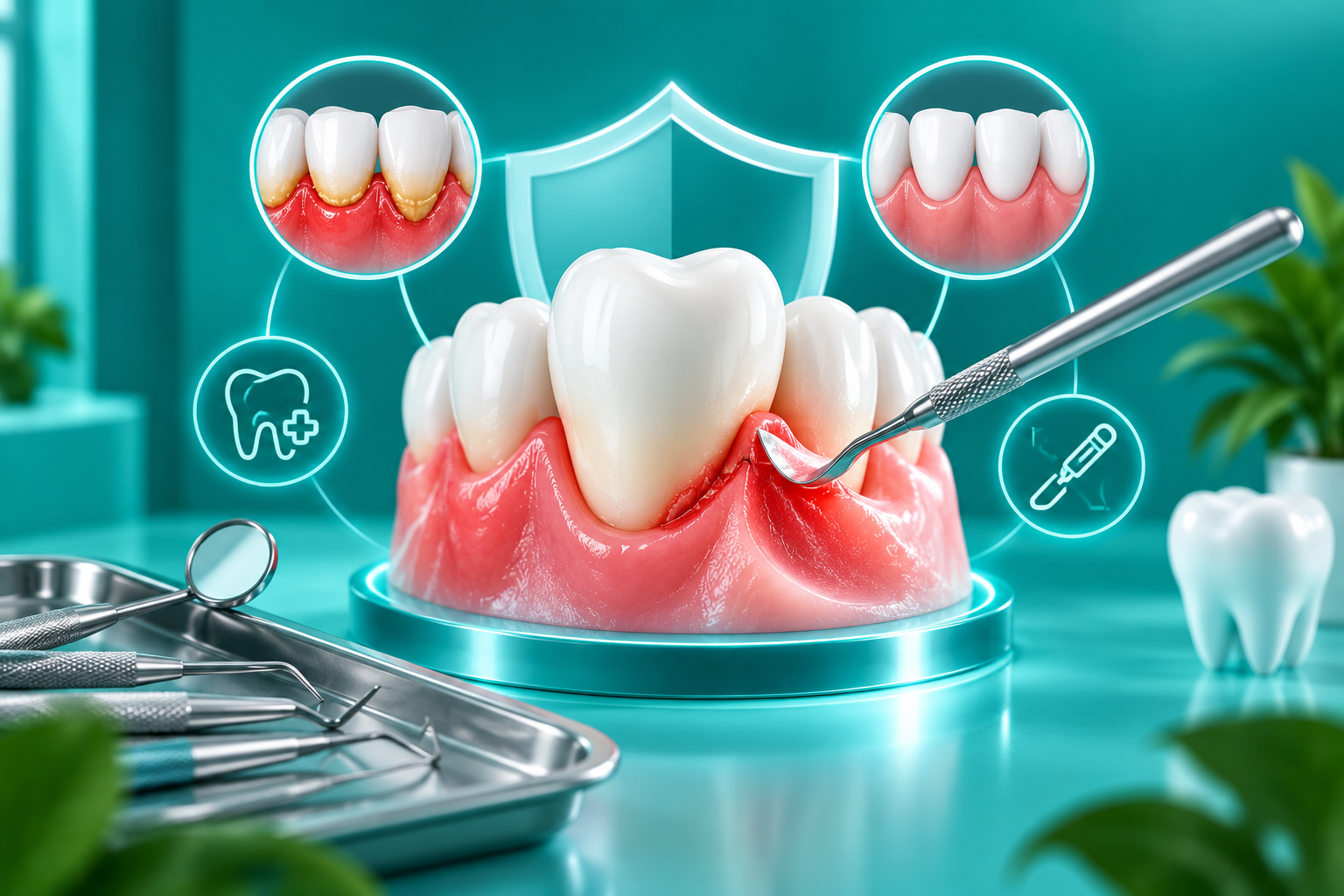
Healthy gums are essential for supporting teeth and maintaining a comfortable smile. Gum Surgery may be recommended when gum tissue requires specialized treatment that cannot be adequately managed through routine cleaning and home care. Depending on the condition, treatment can address recession, excess tissue, uneven gumlines or other gum related concerns.
What Is Surgical Gum Treatment?
Surgical gum treatment refers to specialized dental procedures used to address problems involving the gums and the supporting tissues surrounding the teeth. A thorough evaluation of the oral tissues helps identify the gum related issue and guides the selection of a suitable treatment option.
Treatment may be considered for:
- Gum recession
- Excess gum tissue
- Uneven gum contours
- Exposed tooth roots
- Certain periodontal conditions
- Specific aesthetic concerns
The recommended procedure depends on the patient’s individual dental condition and treatment requirements.
Common Types of Gum Procedures
Different techniques can be used depending on the condition being treated.
Gingivectomy
A gingivectomy is a procedure used to reshape or reduce gum tissue that has become excessive or affected by disease. It can be considered when enlarged gums interfere with cleaning, alter the appearance of the smile, or create areas where plaque can accumulate. The treatment area is assessed to determine the appropriate extent of gum reshaping, followed by suitable post treatment care to encourage recovery.
Gum Transplant
A gum transplant may be recommended when recession leaves the tooth root insufficiently protected or results in reduced gum coverage. The procedure adds tissue to the recessed region, helping restore the gumline and provide greater coverage around the exposed area. The condition of the gums and the extent of recession are considered when selecting this treatment.The dentist evaluates the severity of recession and surrounding tissue before recommending this option.
Gum Laser Treatment
Gum laser treatment uses specialized laser technology during selected procedures involving gum tissue. It can allow the dentist to work on targeted areas with controlled precision.Whether this technique is appropriate depends on the patient’s condition, the treatment required, and the professional assessment.
Gum Correction Surgery
Gum correction surgery can address uneven gum contours, irregular gumlines, or specific tissue concerns. Treatment may be planned for functional or aesthetic purposes depending on the patient’s needs.
The exact technique depends on the location, shape, and amount of tissue requiring modification.
When Is Treatment Recommended?
Surgical gum care may be explored when changes in the gum tissue begin to affect tooth coverage, gum contours, oral hygiene, or overall periodontal health.
- Significant gum recession
- Excessive gum tissue
- Exposed tooth roots
- Uneven gumlines
- Certain advanced gum conditions
- Persistent gum related concerns
- Specific cosmetic irregularities
Not every gum condition requires a surgical procedure.The need for surgery varies from person to person. A detailed assessment of the gums and surrounding oral structures helps determine whether a surgical approach is suitable and which procedure may be appropriate.
Benefits of Gum Treatment
Depending on the procedure performed, treatment may provide several potential benefits.
Supports Gum Health
Targeted treatment can address specific tissue concerns when routine cleaning and other non surgical measures are insufficient.
Improves Gum Contours
For cases involving excess or uneven gum tissue, gingivectomy can be used to refine the gumline and create a more proportionate relationship between the gums and teeth.
Addresses Recession
A Gum transplant can provide additional tissue coverage where recession has exposed the tooth root.
Allows Targeted Treatment
For selected cases, Gum laser treatment can provide controlled treatment of specific areas according to the clinical plan.
What Happens During Treatment?
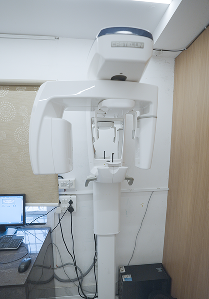
The process varies according to the type of gum procedure being performed and the condition being treated. The dental team first reviews the condition of the gums and surrounding tissues to establish the treatment requirements. Additional diagnostic checks may be used when they are relevant to the planned procedure. The dentist evaluates the gums, teeth, and supporting structures and may recommend additional diagnostic procedures when necessary.
The treatment approach varies according to the patient’s condition. If Gum correction surgery is recommended, the dentist may reshape or modify the gum tissue according to the planned outcome.
After treatment, patients receive instructions regarding oral hygiene, food choices, medication and follow up appointments.
Recovery and Aftercare
- Follow the recommended oral hygiene routine
- Avoid foods that irritate the treated area
- Take prescribed medication as directed
- Attend follow up appointments
- Avoid tobacco during healing
Maintaining Healthy Gums After Treatment
When Should You Consult a Dentist?
Persistent bleeding, gum recession, swelling, tenderness, exposed tooth roots or noticeable changes in the gumline should be evaluated by a dental professional.
After examination, the dentist can determine whether routine care, non surgical treatment or a surgical procedure is appropriate. In selected cases, Gum laser treatment may be considered as part of the available options.
Frequently Asked Questions
What is the purpose of gum surgery?
The procedure can address specific gum conditions, manage tissue concerns, treat recession or reshape the gumline when clinically appropriate.
What is Gingivectomy?
Gingivectomy is a gum procedure used to reshape or reduce unwanted gum tissue. It may be chosen in certain cases where changes to the gumline are needed for oral health or appearance.
When is a Gum transplant recommended?
A Gum transplant may be considered when recession results in insufficient tissue coverage or exposed tooth roots.
Is Gum laser treatment suitable for everyone?
Gum laser treatment is not appropriate for every condition. A dental professional must examine the gums and determine whether laser assisted treatment is suitable.
What does Gum correction surgery involve?
Gum correction surgery involves reshaping or modifying gum tissue to address specific functional or aesthetic concerns. The exact approach depends on the patient’s condition.
SUBSCRIBE
SUBSCRIBE TO OUR NEWSLETTER
How Invisalign Work to Straighten Your Teeth