


Dental Fillings in Chintal What Are They and When Do You Need One?
Dantam Clinics
November 13, 2026
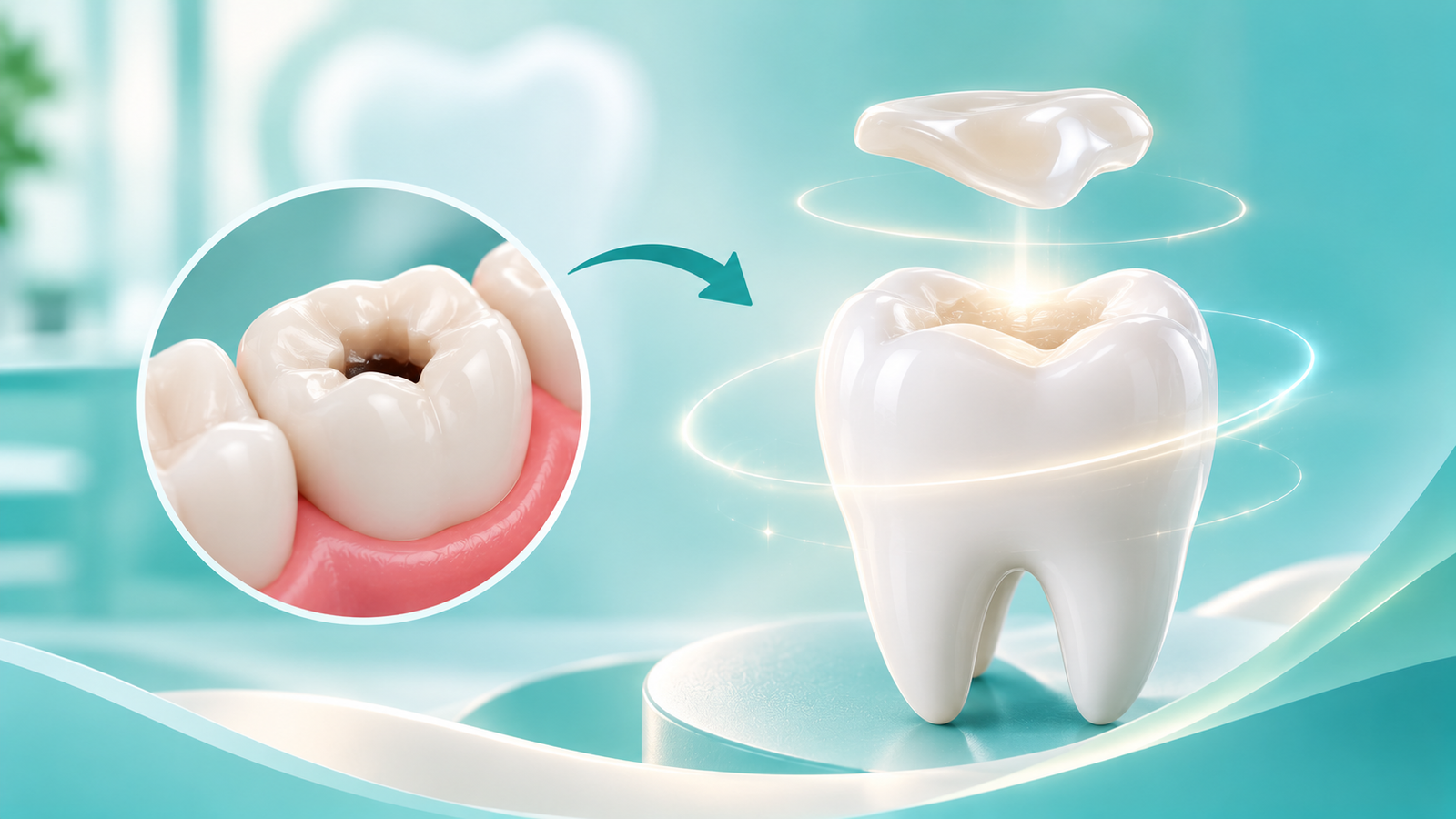
One of the most common reasons people visit their dentist is for tooth decay. This can cause gradual damage to the outer enamel of the tooth and may lead to sensitivity, discomfort and visible holes. Dental fillings can help restore teeth that have been damaged by cavities or minor fractures, making them more comfortable to use.
When considering Dental Fillings in Chintal, knowing what materials are available, the process and aftercare involved can help you make informed decisions.
What Are Dental Fillings?
Dental fillings can be used to restore teeth that have been damaged through decay or minor breakages. The decayed parts of the tooth are removed, and a suitable material is placed into the damaged section.
This can help restore the shape and function of the tooth while protecting the remaining healthy structure. The type of restoration depends on several factors, such as the size, depth and position of the cavity and the amount of healthy tooth structure remaining.
What Are the Signs You May Need a Dental Filling?
Cavities may not always cause immediate pain, but there are a few signs that may mean you need to visit your dentist:
- Sensitivity: Pain when eating hot, cold or sweet foods.
- Toothache: Intermittent or constant pain in a specific tooth.
- Visible holes: Small holes or dark spots in the tooth.
- Pain while chewing: Discomfort when biting or chewing.
- Food getting stuck: Food frequently gets stuck in the same area.
- Roughness: Noticeable changes to the tooth surface.
Sometimes cavities are only detected during regular dental appointments. Visiting your dentist early can help identify decay before it progresses.
What Are the Different Types of Dental Fillings?
Depending on the condition of the tooth and the patient’s requirements, the dentist may use different materials for restoration. Some common options include:
Composite Teeth Filling
This type of filling uses a tooth-coloured resin material. It is often chosen when patients prefer a natural-looking restoration.
Key points:
- Can be colour-matched to the surrounding teeth.
- Can be used on front or back teeth, depending on the case.
- The material is applied to the affected area and cured using a special light.
- Can restore the shape of teeth damaged by cavities or minor fractures.
A composite teeth filling may be suitable for small or moderate cavities. However, the dentist will examine the tooth before recommending this option.
Teeth Amalgam
Teeth Amalgam uses a silver-coloured material to create a restoration. It is a traditional method of treating cavities and contains a mixture of metals.
Key points:
- More noticeable because of its metallic appearance.
- Traditionally used on back teeth.
- Can withstand considerable chewing pressure.
- Its suitability depends on the patient’s dental condition and treatment requirements.
Discuss the available materials and their properties with your dentist before choosing a restoration.
Inlay and Onlay
Inlay and Onlay restorations are indirect treatments used when a tooth has more damage than a standard filling can comfortably restore.
- Inlay: Fits within the grooves of a tooth without covering its cusps.
- Onlay: Covers one or more cusps of the tooth.
You may be advised to consider an inlay or onlay if your tooth has significant damage but enough healthy structure remains for restoration. These restorations are generally prepared outside the mouth and then fitted to the tooth.
How Is Cavity Removal and Dental Filling Performed?
Your dentist will generally follow these steps:
- Examination: The dentist examines the tooth and may take X-rays to assess the extent of decay.
- Local Anaesthetic: Depending on the cavity and treatment requirements, local anaesthesia may be used.
- Cavity Removal: The decayed part of the tooth is carefully removed.
- Cleaning: The affected area is cleaned and prepared.
- Filling: The selected material is placed, shaped and adjusted.
- Bite Check: The dentist checks how well the restored tooth meets the opposing teeth.
The time taken to remove decay and restore the tooth depends on the size and position of the cavity and the type of restoration being used.
How Do Dentists Choose the Right Filling Material?
Every patient is different, and the most suitable restoration depends on several factors. Dentists generally consider:
- Size and depth of the cavity.
- Position of the affected tooth.
- Amount of healthy tooth structure remaining.
- Pressure placed on the tooth while chewing.
- Appearance and properties of the material.
- Overall condition of the teeth.
A small cavity may be restored with composite resin. However, if there is more extensive damage, an inlay, onlay or another restorative treatment may be recommended.
How Long Do Dental Fillings Last?
This depends on the material used, the size of the cavity, oral hygiene and lifestyle habits. Teeth grinding, chewing hard objects and untreated decay can affect the condition of a restoration.
Regular dental appointments help identify wear, cracks or loosening. If you experience sensitivity or discomfort around a previously treated tooth, visit your dentist for an examination.
Aftercare for Teeth with a Filling
Keeping your teeth healthy also helps maintain your restorations. Follow these practices:
- Brush twice a day with fluoride toothpaste.
- Use dental floss to clean between your teeth.
- Limit sugary foods and drinks.
- Avoid chewing hard objects such as ice.
- Follow your dentist’s aftercare advice.
- Attend regular dental appointments.
You may experience some sensitivity after treatment. However, if you have persistent pain or discomfort when biting, consult your dentist.
Why Choose Dantam Dental Clinics for Dental Fillings in Chintal?
At Dantam Dental Clinics, we focus on understanding each patient’s dental concerns and recommending suitable restorative treatments. Whether you need a Composite Teeth Filling or another restoration option, our team examines your teeth, explains the available materials and helps you understand the treatment process. We aim to provide patient-focused dental care based on your individual oral health needs.
Frequently Asked Questions
Is Cavity Removal Painful?
How Long Does a Dental Filling Procedure Take?
What Is a Composite Teeth Filling?
What Is Teeth Amalgam and Is It Still Used?
What Is the Difference Between an Inlay and Onlay?
Can a Dental Filling Fall Out?
Yes. This can happen due to wear, further decay or damage to the tooth or restoration. If this happens, visit your dentist for an examination.
SUBSCRIBE
SUBSCRIBE TO OUR NEWSLETTER
What Should You Do If You Have a Cracked Tooth?
Dental Fillings in Chintal What Are They and When Do You Need One?