

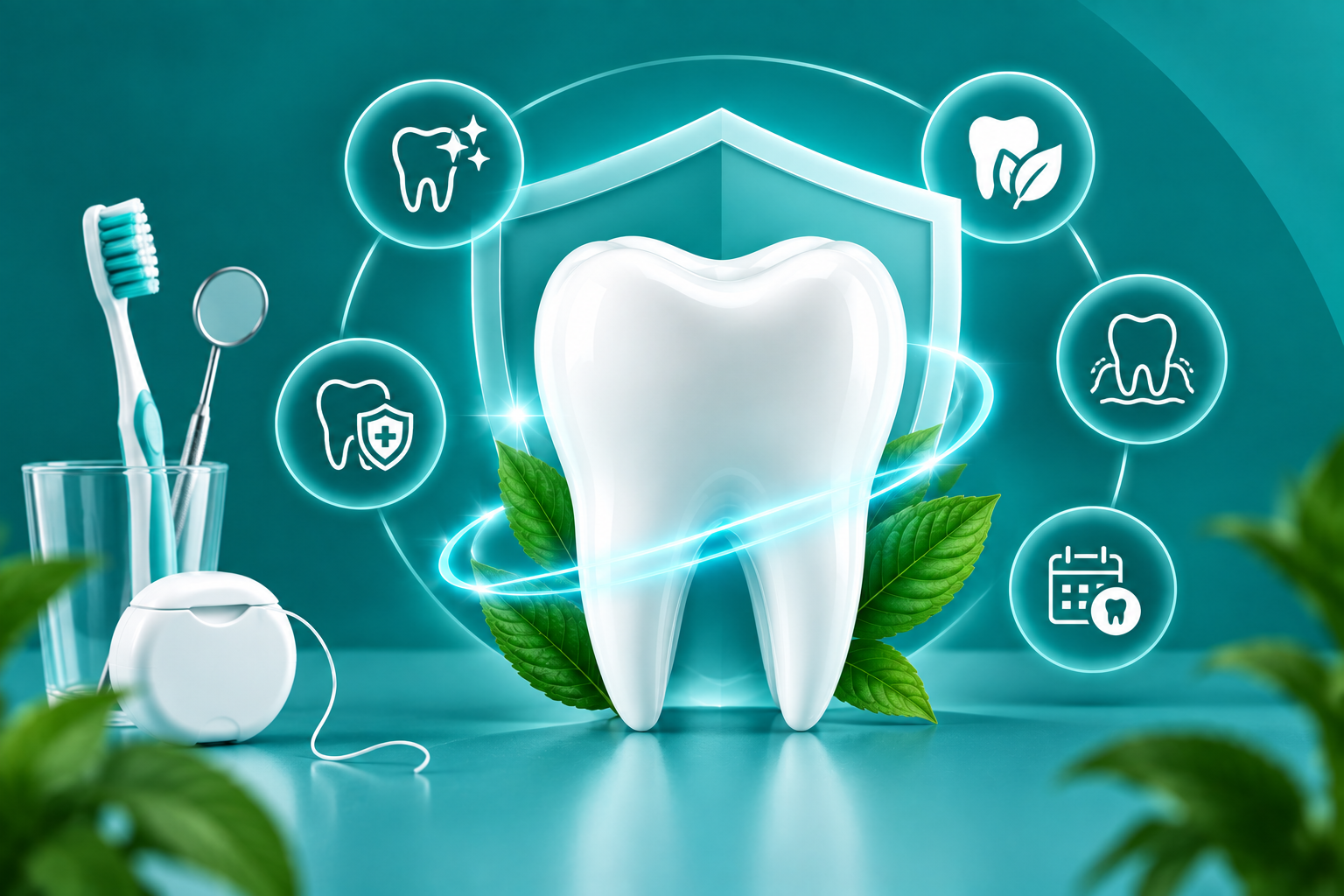
A Complete Guide to Oral Health
Dantam Clinics
September 18, 2026
Maintaining good Oral Health involves caring for your teeth, gums, tongue and the tissues inside your mouth. A consistent routine can help reduce common dental problems and support comfortable eating and speaking. Proper brushing, Dental flossing, healthy food choices and regular dental visits all contribute to a healthier smile.
What Is Oral Health?
A healthy mouth includes clean teeth, healthy gums and the absence of persistent pain or infection. Maintaining good oral condition requires daily cleaning along with professional dental examinations.
Daily brushing removes plaque and food particles from tooth surfaces. Cleaning between the teeth is equally important because some areas cannot be reached effectively with a toothbrush. Oral cleaning helps clean these spaces and can become an important part of a daily routine.
Why Is Teeth Hygiene Important?
Proper Teeth hygiene helps remove plaque, bacteria and food particles that can accumulate around the teeth and gums. When plaque remains on tooth surfaces for extended periods, it may contribute to cavities and gum problems.
A simple daily routine should include:
- Brushing twice a day
- Dental flossing or other interdental cleaning
- Gently cleaning the tongue
- Limiting frequent sugary foods and drinks
- Drinking sufficient water
- Replacing worn toothbrushes
- Attending regular dental check ups
Consistent oral hygiene supports cleaner teeth and healthier gums.
Importance of Preventive Dental Care
Preventive dental care focuses on identifying potential problems early and maintaining healthy teeth and gums through regular professional attention.
Preventive measures may include:
Regular Dental Examinations
Routine appointments allow dentists to examine the teeth and gums and monitor changes over time.
Professional Cleaning
Dental cleaning can remove hardened deposits and buildup that ordinary brushing may not completely eliminate.
Fluoride Treatments
Depending on individual needs, a dentist may recommend fluoride applications to provide additional protection for tooth enamel.
Personalized Guidance
A dental professional can recommend suitable brushing, oral cleaning, dietary, and cleaning practices according to individual needs.
Following a preventive oral care approach can help reduce the likelihood of avoidable dental complications.
Understanding Tooth Sensitivity
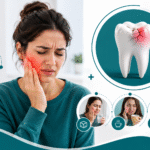
Tooth sensitivity may cause temporary discomfort when consuming hot, cold, sweet or acidic foods and drinks. Possible causes include worn enamel, exposed tooth roots, cavities, or gum recession.
If sensitivity occurs frequently, a dental examination can help determine its underlying cause. Treatment depends on the specific condition and may involve professional care or changes to everyday dental habits.
Common Dental Problems
Several dental concerns can develop when regular care is overlooked.
Tooth Decay
Cavities occur when acids produced by bacteria gradually damage tooth enamel. Regular cleaning and professional examinations can help detect decay at an early stage.
Gum Problems
Plaque accumulation around the gumline may contribute to redness, swelling, tenderness, or bleeding. Good cleaning practices can support healthier gums.
Sensitivity
Recurring tooth discomfort may sometimes indicate an underlying dental concern. Persistent discomfort should be discussed with a dental professional rather than ignored.
Bad Breath
Unpleasant breath can be associated with food particles, plaque buildup, dry mouth, or certain oral conditions. Proper cleaning and professional evaluation can help identify possible causes.
Daily Habits for a Healthier Smile
Maintaining healthy dental habits does not require a complicated routine. Consistency and proper technique are important.
Brush Twice Daily
Use a soft bristled toothbrush and fluoride toothpaste. Brush gently across the front, back, and chewing surfaces of the teeth.
Clean Between Teeth
Regular Dental flossing can remove debris and plaque from spaces that a toothbrush may not reach effectively. Use gentle movements to avoid irritating the gums.
Choose Tooth Friendly Foods
Frequent sugary snacks and acidic drinks may increase the risk of dental problems. Balanced food choices can support stronger teeth.
Stay Hydrated
Drinking water can help rinse away food particles and support normal saliva production.
Schedule Dental Visits
Professional examinations complement daily oral hygiene and help identify potential concerns at an early stage.
Dental Care for Different Age Groups
Dental needs can change throughout life. Children benefit from learning proper brushing habits early and becoming familiar with regular dental appointments.
Adults should continue consistent cleaning while paying attention to changes such as gum bleeding, discomfort or changes in the teeth. When needed, treatments such as laser root canal may help address certain dental concerns.
Older adults may need additional attention to existing dental restorations, gum health, dry mouth and other age-related concerns.
Benefits of Preventive Care
A consistent Preventive dental approach can help:
- Detect dental problems early
- Reduce plaque buildup
- Support healthy gums
- Maintain comfortable chewing
- Protect natural teeth
- Encourage healthy dental habits
Preventive care works best when professional examinations are combined with appropriate daily cleaning.
When Should You Visit a Dentist?
You should consider scheduling a dental appointment if you experience persistent toothache, swelling, bleeding gums, loose teeth, unusual mouth sores, or changes in your bite.
A dentist can also evaluate recurring discomfort and determine whether Tooth sensitivity is related to enamel wear, decay, gum recession, or another dental condition.
Even when there are no noticeable symptoms, routine dental examinations can help identify problems that may not yet cause discomfort.
Frequently Asked Questions
What is Oral Health?
Oral Health refers to the condition of the teeth, gums, tongue, and other structures inside the mouth. Maintaining it requires consistent daily care, healthy habits, and professional dental attention.
How can I improve my Teeth hygiene?
Good Teeth hygiene includes brushing twice daily, cleaning between your teeth, cleaning your tongue, limiting frequent sugar intake, and attending regular dental examinations.
What does Preventive dental care include?
Preventive dental care may include routine examinations, professional cleaning, fluoride treatments when appropriate, and personalized guidance for maintaining healthy teeth and gums.
What should I do about Tooth sensitivity?
If Tooth sensitivity occurs regularly or causes significant discomfort, consult a dentist to identify the underlying cause and determine suitable treatment.
Why Is Maintaining a Healthy Smile Important?
Healthy smile depends on strong teeth, healthy gums, and consistent daily care. Regular brushing, flossing and dental check ups can support comfortable eating and speaking while helping identify potential dental concerns at an early stage.
SUBSCRIBE
SUBSCRIBE TO OUR NEWSLETTER
A Complete Guide to Oral Health
Teeth Whitening in Chintal: A Complete Guide to a Brighter Smile