

What Should You Do If You Have a Cracked Tooth?
Dantam Clinics
November 20, 2026
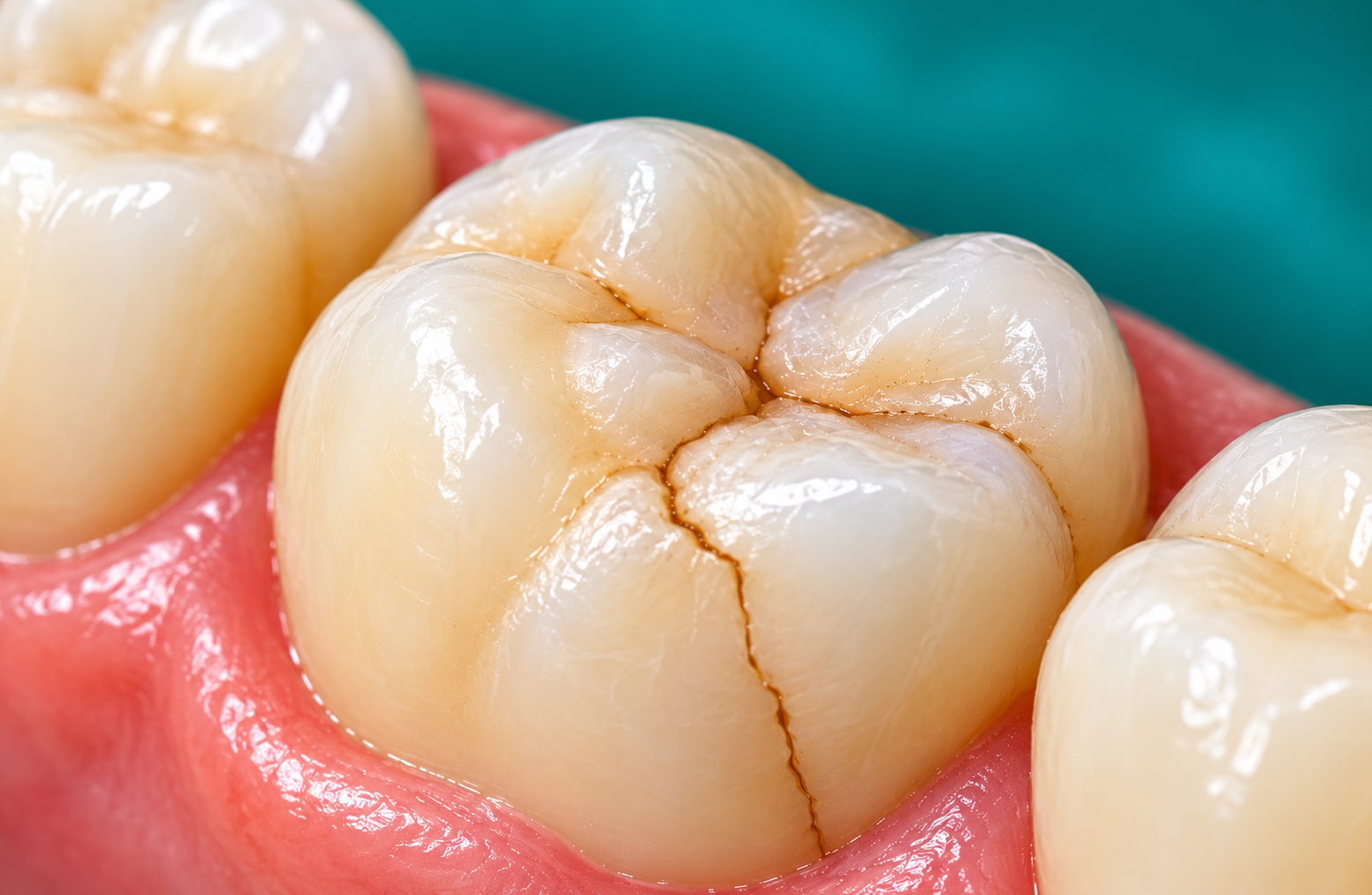
A sudden sting while chewing, sensitivity to cold drinks, or discomfort when you bite down can be a sign of a Cracked tooth. Even damage that looks small on the surface may extend deeper and affect the inner layers. Acting early gives your dentist a better chance of protecting the natural tooth and preventing complications.
Teeth are designed to handle everyday biting, but they are not indestructible. Biting hard objects, an accidental impact, untreated decay, or repeated grinding can weaken enamel and cause a break. The right response depends on the location and depth of the damage, so avoid guessing how serious it is based only on appearance.
What Can Cause a Tooth to Crack?
Tooth damage can happen suddenly or develop gradually. Common causes include:
Biting hard foods: Ice, hard sweets, unpopped popcorn kernels and hard nuts can put excessive pressure on enamel. Avoid chewing these foods, especially if a tooth already feels sensitive.
Teeth grinding and clenching: Repeated pressure during sleep or stressful periods can wear down enamel and create weak points. A dentist may recommend a custom nightguard if grinding is contributing to the problem.
Accidents and sports injuries: A fall, collision or blow to the mouth can damage one or more teeth. Use a properly fitted mouthguard during contact sports.
Large fillings or previous dental work: A tooth with a large restoration may have less natural structure to support biting forces. Your dentist can check whether it needs additional protection.
Untreated decay: Cavities can weaken the tooth from within. Treating decay early helps preserve the remaining healthy structure.
Sudden temperature changes: Frequently exposing teeth to very hot and very cold foods or drinks may contribute to discomfort and, in some circumstances, place stress on weakened areas.
Do not use your teeth to open packaging, bite pens or break hard objects. These habits can cause avoidable damage.
What Are the Warning Signs?
Symptoms vary. Some people notice pain immediately, while others have little discomfort until they chew or drink something cold.
Look out for:
- Sharp or inconsistent pain when biting or releasing your bite.
- Sensitivity to hot, cold or sweet foods and drinks.
- A persistent ache that is difficult to locate.
- Swelling or tenderness in the gum around the affected area.
- A rough edge that catches your tongue or cheek.
- A visible line, missing piece or change in the shape of the tooth.
A Broken tooth may expose sensitive inner layers, while a Chipped tooth can leave a sharp edge. A Fractured tooth may cause pain only when pressure is applied, so the absence of constant pain does not rule out a problem. A Damaged tooth may also be difficult to assess at home because some cracks are too small to see without dental equipment.
Seek urgent care if you have severe pain, facial swelling, fever, uncontrolled bleeding, or difficulty swallowing or breathing.
Understanding Different Types of Tooth Damage
The words used to describe dental injuries can sound similar, but they may refer to different levels of damage.
Minor enamel chip: A Chipped tooth usually means a small piece of the outer enamel has broken away. It may affect appearance or leave a rough edge, but the dentist still needs to check how deep the injury goes.
A crack through the tooth: A Fractured tooth can involve enamel and extend into dentin or, in more serious cases, the pulp. The deeper the line travels, the greater the chance that the tooth’s nerve and blood supply may be affected.
A larger break: A Broken tooth may involve the loss of a larger part of the visible crown. The exposed area can be sensitive and may need prompt restoration.
General dental damage: The term Damaged tooth can describe a tooth affected by a chip, crack, break, decay or injury. The treatment depends on the amount of healthy structure that remains and whether the Damaged tooth has been affected by decay or trauma.
A Chipped tooth is not always a minor issue, and a Broken tooth is not automatically beyond repair. Only a clinical examination can establish the extent of the injury and the most suitable option.
How Does a Dentist Diagnose the Problem?
Your dentist will ask when the discomfort began, what makes it worse, whether there has been an accident and whether you grind your teeth.
They may then:
- Examine the tooth and surrounding gums under suitable lighting.
- Check the bite and apply gentle pressure to identify sensitive areas.
- Use magnification or special dental instruments to look for visible damage.
- Assess the condition of existing fillings and nearby teeth.
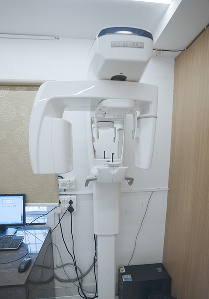
- Take dental X-rays when needed to check the roots, bone and other possible causes of pain.
Treatment Options for Tooth Damage
Treatment is selected according to the depth, position and extent of the injury. Your dentist will also consider whether the pulp is healthy and how much natural tooth can be preserved.
Dental bonding
For a small chip or surface defect, the dentist may use tooth coloured composite resin. The material is shaped and polished to restore the contour. This can be a suitable option for a Chipped tooth when enough healthy enamel remains.
Dental crown
A crown covers and protects the visible portion of a weakened tooth. It may also be considered when a Fractured tooth needs reinforcement after other treatment. It may be recommended when a larger area has been affected but the remaining structure can support a restoration. A crown can help restore strength and function.
Root canal treatment
If the damage reaches the pulp and causes inflammation or infection, root canal treatment may be needed. The dentist removes the affected pulp, cleans and seals the canals, and may place a crown afterwards to protect the remaining structure.
Veneers
A veneer may improve the appearance of selected front-tooth defects. It is not suitable for every injury and should not be considered a substitute for treatment when the tooth needs structural support. Your dentist will assess whether this option is appropriate.
Tooth extraction
If the damage extends too far below the gum line or the tooth cannot be predictably restored, removal may be necessary. Your dentist can discuss suitable replacement options after the area has healed.
A Fractured tooth may need a different approach from a small enamel chip. Likewise, a Damaged tooth may be treatable with a restoration if sufficient healthy structure remains. Never use household glue or attempt to file the tooth yourself.
What Should You Do Immediately After a Tooth Breaks?
Take these steps while arranging a dental appointment:
- Rinse gently with warm water to clear the area.
- If the gum is bleeding, apply gentle pressure with clean gauze.
- Hold a cold compress against the outside of your cheek to help reduce swelling.
- Avoid chewing on the affected side.
- Choose soft foods and avoid very hot, cold or hard items.
- If a piece has come away, keep it in a clean container and take it to the dentist.
- Contact a dental clinic promptly for an assessment.
Do not place aspirin directly on the tooth or gum, as it can irritate the tissue. If you are unsure what pain relief is safe for you, ask a healthcare professional or pharmacist.
How Can You Reduce the Risk of Future Damage?
Not every dental injury can be prevented, but everyday habits can lower the risk:
- Avoid chewing ice, hard sweets and other very hard objects.
- Wear a sports mouthguard during activities where facial impact is possible.
- Ask your dentist about a nightguard if you clench or grind your teeth.
- Brush twice daily with fluoride toothpaste and clean between your teeth.
- Attend regular dental check ups so decay and weakened restorations can be identified.
- Avoid using your teeth as tools.
- Get cavities treated before they undermine the tooth structure.
Why Choose Dantam Dental Clinic in Chintal for a Cracked Tooth?
Choosing a dental team that can assess the injury carefully is an important part of protecting your smile. At Dantam Dental Clinic in Chintal, our team focuses on understanding the cause of your symptoms, explaining suitable treatment options and helping you make an informed decision.
Experienced dental team: Our dentists assess the condition of your teeth and explain the options based on your individual needs.
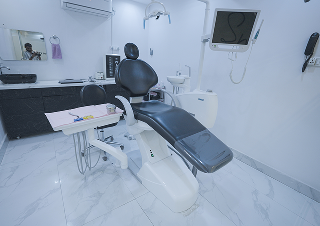
Modern diagnostic support: Appropriate examination methods and dental technology help the team evaluate the affected area and plan care.
Personalised recommendations: Treatment is selected according to the location and severity of the injury, your dental history and the amount of healthy tooth remaining.
A range of dental treatments: From conservative restorations to more involved procedures, the team can discuss the options that may be suitable for your case.
Clear patient communication: We explain the findings, expected steps and aftercare so you know what to expect throughout treatment.
If you are concerned about dental injury, an examination can help determine what care is needed to protect your oral health.
Frequently Asked Questions
Does a tooth injury always cause pain?
Should I continue eating normally?
Can a chipped area be repaired?
How long does treatment take?
Can a broken tooth be saved?
When should I seek urgent dental care?
Arrange prompt dental care for pain, sensitivity, a visible break or discomfort when biting. Severe swelling, fever, uncontrolled bleeding, or difficulty swallowing or breathing requires urgent medical attention.
Getting a tooth examined early can make it easier to identify the problem and choose appropriate care. Avoid putting pressure on the affected area, follow your dentist’s advice and keep up with regular check ups to support long term oral health.
SUBSCRIBE
SUBSCRIBE TO OUR NEWSLETTER
What Should You Do If You Have a Cracked Tooth?
Dental Fillings in Chintal What Are They and When Do You Need One?