

How Routine Dental Checkups Help Prevent Major Oral Health Issues
Dantam Clinics
October 1, 2026
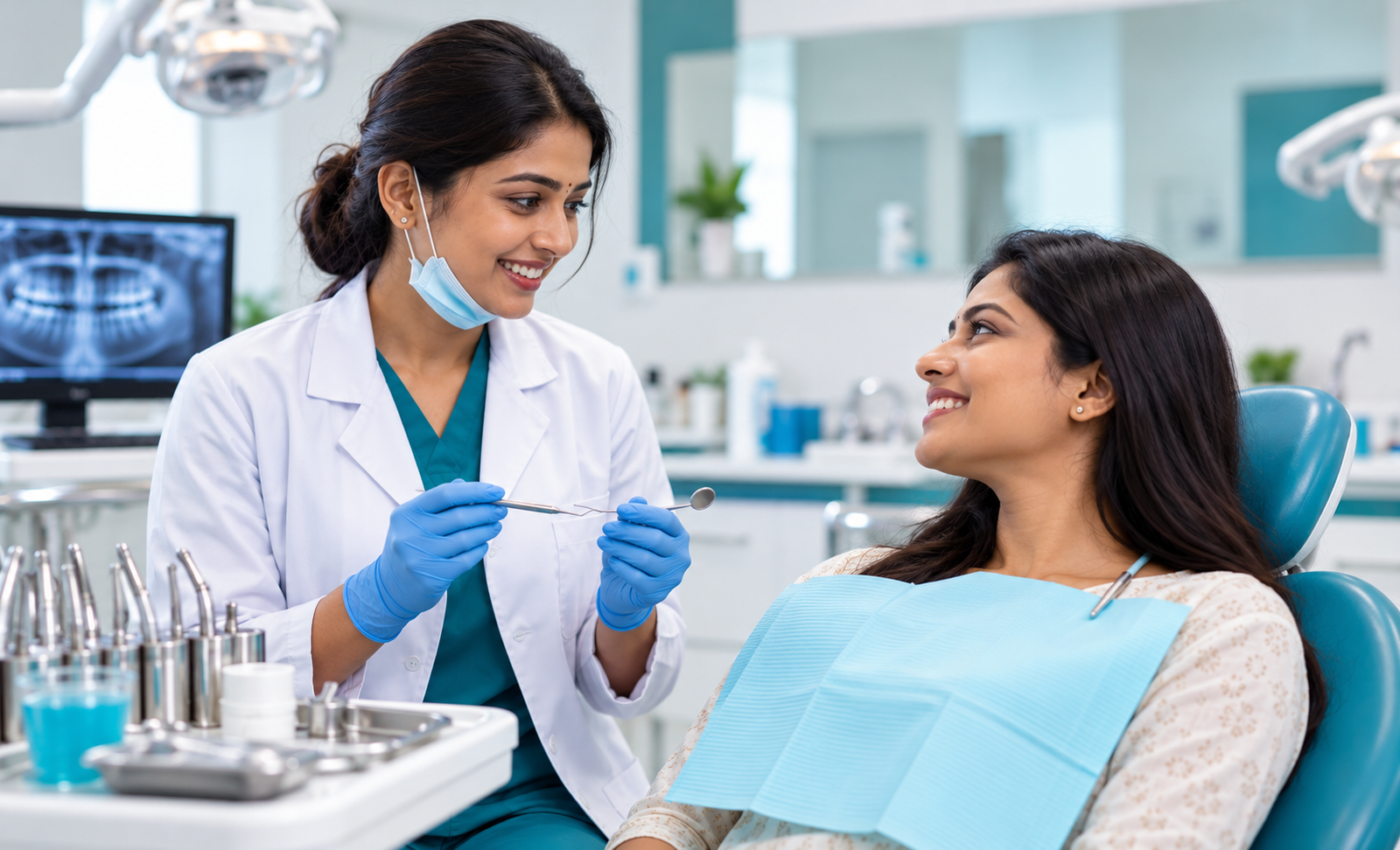
Regular consultation with a Dentist can help identify and address dental problems early. It is through routine Dental Checkup that dentists are able to identify tooth decay, gum disease, plaque, and enamel erosion at an early stage. Combined with professional advice, proper dental and oral hygiene plays a crucial role in preventing oral health problems.
Why Are Periodic Dental Examinations Necessary?
- Detection of cavities at an early stage
- Screening for gum problems
- Evaluation of existing repairs
- Removal of plaque and tartar
- Assessment of the enamel
- Oral care advice
What Is Included in a Dental Checkup?
- Tooth decay
- Gum inflammation
- Plaque and tartar build up
- Tooth sensitivity
- Damaged teeth
- Problems with fillings or crowns
- Changes in the gums
What Regular Dental Visits Can Help Detect Early
Routine examinations allow dental professionals to monitor changes in the teeth and gums, identify concerns at an early stage, and recommend appropriate care when needed.
Early Tooth Decay
Regular examinations can help identify early signs of tooth decay before the affected area becomes more extensive.
Gum Inflammation
A dental examination can help detect redness, swelling, tenderness or other changes around the gums.
Plaque and Tartar Buildup
Checkups provide an opportunity to assess plaque and hardened deposits that may require professional cleaning.
Developing Dental Infections
Dental examinations can help identify signs that may require further evaluation or timely dental care.
Worn or Damaged Teeth
Routine visits allow the dental team to monitor unusual wear, cracks, chips or other changes affecting the teeth.
Changes Needing Monitoring
Regular examinations create opportunities to monitor changes and determine whether additional evaluation is needed.
How Do Checkups Prevent Tooth Decay?
Tooth decay typically occurs due to interactions between plaque bacteria and sugar that lead to production of acids that can harm enamel. At an early stage, cavities may not cause much discomfort, but routine examinations can help identify warning signs early, allowing timely preventive measures and treatment when necessary.
Besides professional cleaning performed at a dental visit can also assist in removing plaque and tartar that brushing and flossing may not be able to remove completely.
In addition to professional cleaning, good Oral care practices can play an important role in cavity prevention. Maintaining a healthy diet and limiting sugary foods and drinks can help reduce the risk of developing cavities. Brushing twice a day and brushing between the teeth at least once every 24 hours can help remove food particles and plaque.
Preventing Gum Disease
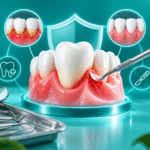
Healthy gums play an essential role in maintaining a stable and lasting smile. Accumulation of plaque and tartar around the gumline can contribute to redness, irritation, sores, and bleeding. Routine Dental clinic visits give the dentist an opportunity to examine the gums and recommend professional cleaning or additional care as needed. In some cases, Gum Surgery may be considered to address certain gum related concerns. Meanwhile, regular home care practices can support the upkeep of healthy gums. Consistent oral care habits can help reduce the risk of gum disease and promote healthier gums.
How Preventive Care Supports Better Dental Health
Brush Twice Daily
Use a soft ristled toothbrush and fluoride toothpaste to gently clean all surfaces of the teeth.Clean Between Your Teeth
Floss or use interdental brushes to remove plaque and food particles from areas a toothbrush may not be able to access efficiently.Limit Sugary Foods and Drinks
Frequent intake of sugary foods and beverages can increase the risk of developing cavities. Eating healthy meals and limiting unhealthy snacks can help support better dental health.Drink Enough Water
Drinking water helps rinse away food particles and supports normal saliva flow, which is an important part of maintaining a healthy mouth.How Professional Dental Cleaning Supports Oral Hygiene
Brushing twice a day can help manage plaque buildup, but some deposits can remain in hard to reach areas. Over time, plaque can transform into tartar, which cannot typically be removed efficiently through regular brushing.
Professional cleaning can help remove these deposits, leaving the teeth and mouth feeling clean. Dentists can also provide guidance on suitable Oral hygiene practices depending on an individual’s requirements.
Following proper oral care practices between dental appointments can promote long term dental health.
Choosing the Right Dental Clinic for Regular Appointments
- Range of dental services
- The dentist’s approach to patient care
- Cleanliness and hygiene standards
- Location and appointment convenience
- Availability of preventive and restorative treatments
- Ability to address individual dental requirements
How Often Should You Have an Oral Checkup?
- Toothache
- Bleeding or sore gums
- Loose teeth
- Tooth sensitivity
- Persistent bad breath
- Changes in your bite
- Visible cavities
The Importance of Regular Dental Appointments
- Early discovery of dental problems
- Professional removal of plaque and tartar
- Assessment of gum health
- Dental hygiene advice
- Evaluation of dental restorations
- Long term Smile care support
When Should You Call a Dentist?
- Persistent toothache
- Swollen or bleeding gums
- Tooth sensitivity
- Persistent bad breath
- Loose teeth
- Changes in the way the teeth fit together
- Visible cavities
Frequently Asked Questions
How Often Should I Have a Dental Checkup?
The frequency depends on your oral health, dental history, age and risk factors. Your dentist can recommend an appropriate schedule based on your personal condition.
Can Regular Dental Visits Prevent Cavities?
Routine examinations can help identify cavities at an early stage. Professional cleanings and good oral care habits can also help reduce the factors that contribute to tooth decay.
How Can I Maintain Good Dental Health?
To maintain good Dental health, it is important to brush twice a day, clean between your teeth regularly, eat a balanced diet and limit sugary foods and drinks. Drinking sufficient water and following the dental care recommendations provided by your dentist are also important.
Why Is Oral Hygiene Important?
Proper Oral hygiene helps control the accumulation of plaque and food particles that can contribute to cavities, gum problems and other dental concerns.
Can Dental Visits Aid in Smile Care?
Yes, dentists can identify dental concerns that may affect the appearance and function of the smile. When appropriate, they can also discuss cosmetic or restorative treatment options to help with Smile care.
Choosing the Right Dental Clinic for Regular Appointments
SUBSCRIBE
SUBSCRIBE TO OUR NEWSLETTER
How Invisalign Work to Straighten Your Teeth